600 Years of Kirkcudbright History – The Craftsmen Who Helped Build Our Town
A remarkable story of craftsmen, power, tradition and a very special silver gun!
When you wander through the charming streets of Kirkcudbright, admiring its colourful buildings, historic architecture and thriving artistic community, it's easy to forget that this beautiful little town has a history stretching back many centuries.
But tucked away within Kirkcudbright's fascinating past is an extraordinary organisation that has survived for over 600 years.
The Haill Six Incorporated Trades of Kirkcudbright trace their origins to 1425, making them one of the town's oldest surviving institutions.
Their story is one of skilled craftsmen, political struggles, royal charters, ancient traditions and a determination to protect the livelihoods of ordinary working people.
And remarkably, their story continues today.
It all began in 1425
Picture Kirkcudbright in the early 15th century. A busy trading settlement where craftsmen worked in small workshops, producing everything from clothing and footwear to furniture and ironwork.
At the time, wealthy merchant guilds wielded enormous influence over trade and local affairs. The craftsmen who actually made the goods wanted greater recognition and a voice in how their trades were governed.
In 1425, it was decreed that each craft should appoint a respected representative, known as a Deacon, to oversee workmanship and maintain standards.
These early trade organisations became increasingly influential, occasionally finding themselves at odds with the authorities.
Indeed, attempts to restrict the powers of the Deacons proved so unpopular that craftsmen continued electing their representatives despite official opposition.
By 1456, a Royal Proclamation recognised their right to elect Deacons.
The Trades were formally incorporated by the Town Council in 1598, with a further royal charter granted by King Charles I in 1633.
(Kirkcudbright History Society)
Who were the Haill Six?
The organisation brought together six traditional crafts, each playing an essential part in the life and prosperity of Kirkcudbright.
- Squaremen – skilled workers in timber and building trades, including joiners and carpenters.
- Tailors – the craftsmen responsible for making and repairing clothing.
- Hammermen and Glovers – metalworkers, smiths and makers of gloves.
- Shoemakers – producing the boots and shoes essential to everyday life.
- Weavers – turning yarn into cloth and textiles.
- Clothiers – involved in the preparation, finishing and trade of cloth.
Membership was highly prized. For many craftsmen, belonging to an incorporated trade provided important rights to work and conduct business within the burgh.
The Trades also maintained standards, supervised apprentices and dealt with disputes among members.
In many ways, they were the forerunners of today's professional associations and trade organisations.
The Siller Gun – a royal gift with an extraordinary history
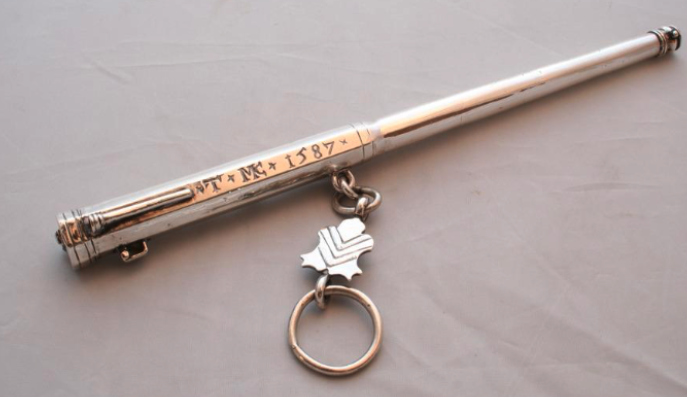
One of the most fascinating traditions associated with the Incorporated Trades is the famous Kirkcudbright Siller Gun.
Presented to the Royal Burgh in 1587 by King James VI of Scotland, this miniature silver firearm was intended as a prize for shooting competitions, encouraging local people to become proficient in the use of firearms at a time when guns were replacing bows and arrows.
The Siller Gun is regarded as one of the oldest sporting trophies still competed for in Britain, and potentially the world.
Records show the Trades competing for it from 1781, with competitions traditionally organised to mark significant national and royal occasions.
There was even a special competition in 1859 celebrating the centenary of the birth of Robert Burns — a rare occasion when the event honoured someone outside the Royal Family.
Imagine that: a sporting tradition connecting modern-day Kirkcudbright with the reign of James VI, more than four centuries ago!
(Kirkcudbright History Society)
A powerful voice in Kirkcudbright's history
For centuries, the Incorporated Trades were far more than organisations for craftsmen.
They were influential participants in the town's civic life, helping shape the development of Kirkcudbright and representing the interests of their members.
Their surviving minute books, some dating back to the early 1700s, provide a remarkable insight into local history.
They record disagreements, disciplinary proceedings, apprenticeships, political developments and the names of generations of Kirkcudbright residents.
Some of these fascinating records can be found in the Stewartry Museum.
The Trades' involvement extended beyond their workshops. In 1811, for example, they invested in the Kirkcudbright Shipping Company, which owned a vessel named Britannia.
In 1846, legislation removed the historic trading privileges enjoyed by Scotland's incorporated trades. Kirkcudbright's Deacon Convener, David Ewart, marked the moment by writing the words open sesame in the minute book.
It was the end of one era, but certainly not the end of the organisation.
Ancient traditions that live on
Although their original commercial powers disappeared long ago, the Incorporated Trades continued to play an important ceremonial and community role.
Among their most treasured traditions are the annual Kirkin' of the Deacon Convener, participation in the Riding of the Marches, and involvement in civic commemorations.
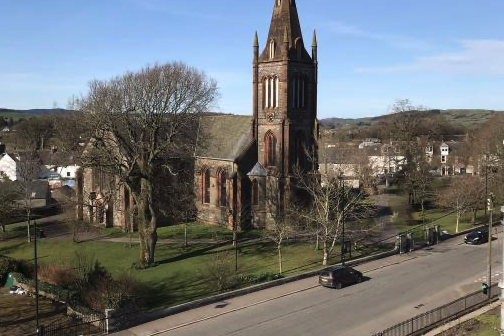
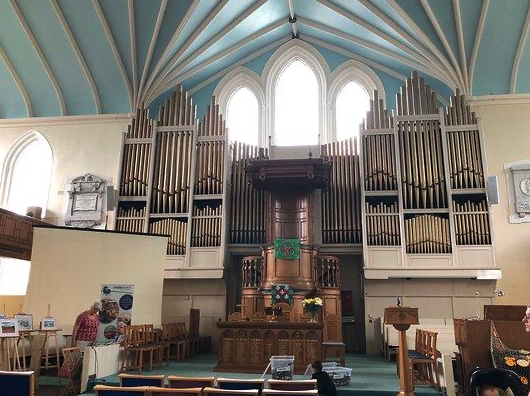
Inside Kirkcudbright Parish Church, the historic Trades Gallery remains a visible reminder of their place in the town's heritage.
Their story has also evolved with the times. In 2016, women were admitted to the organisation for the first time, a significant milestone in its long history.
However, maintaining a six-century-old institution is not without challenges. In September 2026, concerns were raised publicly about declining and ageing membership, and the importance of attracting new members to preserve its traditions for future generations.
It is a reminder that history is not simply something we preserve in museums. Sometimes it needs people willing to carry it forward.
Discover Kirkcudbright's remarkable heritage
For visitors staying with us at The Selkirk Arms Hotel, the story of the Haill Six Incorporated Trades offers another wonderful reason to explore our historic town.
Take a leisurely stroll along the High Street, admire the old buildings and imagine the workshops, merchants and craftsmen who once made Kirkcudbright such an important trading centre.
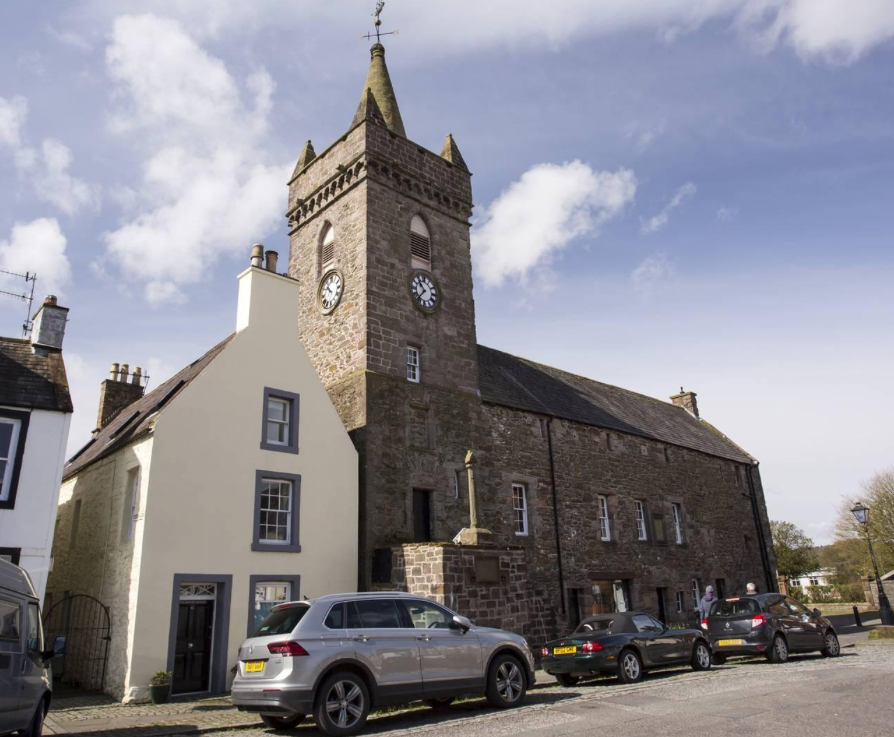
Visit the historic Tolbooth, discover the collections of the Stewartry Museum and take time to appreciate the Parish Church, where the legacy of the Trades remains part of the building itself.
And when you've finished exploring, return to the comfort of The Selkirk Arms Hotel, where we have our own stories to tell.
Our historic hotel dates from 1760 and is closely associated with Robert Burns, who wrote his famous Selkirk Gracehere in 1794.
In a town with so much history, we feel very fortunate to be part of its continuing story.
Kirkcudbright may be famous today as Scotland's Artists' Town, but scratch beneath the surface and you'll discover centuries of remarkable stories waiting to be told.
And the Haill Six Incorporated Trades are undoubtedly one of the most fascinating.
Come and discover Kirkcudbright for yourself. Stay at The Selkirk Arms Hotel and explore the history, heritage, art and wonderful landscapes of Dumfries & Galloway.